
It might be the most wonderful time of the year, but if you’re dashing through the snow to an emergency dental appointment, you’re not feeling very jolly. And post-holiday, no one wants to start off their New Year’s Resolutions with “Get Cavities Filled.” How to survive the sweetest of seasons with enamel and fillings intact?
Candies and sweets would normally be on the naughty list, but we’re not Scrooges! Indulging in a treat or two is part of the holiday fun, and we have some advice for how to enjoy them guilt-free. But first, some treats are definitely more naughty than nice. Which are the ones that are better as decorations than desserts?
If you’ve ever suffered a chipped or cracked tooth after an innocently biting down on a much-harder-than-expected piece of candy, you know that caution is in order. That’s why we tend to take our time with candy canes, letting them dissolve slowly in the mouth. Of course, the drawback to this strategy is that now we’re slowly bathing our teeth in sugar, encouraging the growth of plaque and cavity-causing bacteria.
Candy canes, peppermints, and other hard candies are potentially bad for your teeth when you crunch away, and definitely bad for your teeth if you let them dissolve slowly.
Glistening, colorful gumdrops. Roofing your gingerbread house, trimming a gumdrop tree, or simply sitting in a bowl, they are one of the sweetest ways to decorate for the holidays. And when we say “sweet,” we mean that literally. Most gumdrops are basically made of corn syrup and sugar—and then rolled in more sugar.
But their sugar content isn’t the only problem. This is sugar in an extra-gummy form that sticks between our teeth and around our gums.
They might come in lovely ribboned boxes, but these extremely sticky foods are not a gift to your teeth.
Not only do chewy candies stick to enamel, they stick to fillings, crowns (especially temporary crowns), and orthodontic wires and brackets. No one wants an unexpected trip to the dentist or orthodontist because dental work has been damaged or dislodged!
Nothing says the holidays like a gingerbread house—chewy, sticky gingerbread covered with hard sugar icing, gumdrops, and peppermints. Great for your décor; not so great for your dental health. Eat one gingerbread man if you’re in a spicy mood and leave your architectural masterpiece intact.
If you need an excuse to turn down fruitcake, here’s a perfect one: most fruitcake is not great for your teeth. Candied fruit is, well, candied, and dried fruit is sugary, sticky, and chewy. There are delicious exceptions, of course, but even a delicious fruitcake is very high in sugar.
Well, this list wasn’t very jolly. So as a little holiday gift for you, here are some suggestions to help you enjoy your desserts in the healthiest way possible.
Just like you search for the perfect presents for your family and friends, take the time to choose the perfect holiday treats for yourself. If you are worried about cavities, or have a temporary crown, or wear braces, or have cracked a tooth before, or are just generally concerned with your oral health, stay away from sticky, hard, and excessively sugary desserts.
What can you accept from your holiday hosts with a grateful (and relieved) smile? The occasional soft chocolate should be nothing to stress about—and if you make it dark chocolate, you’ll actually get nutritional bonuses like magnesium and antioxidants. Cakes, cupcakes, cookies, pies—yes, they are made with lots of sugar, but it is the holidays after all. Just be sure to follow our next suggestions to make that slice of cheesecake guilt-free.
Saliva does more than keep our mouths from getting dry. It also helps prevent cavities by washing away food particles and neutralizing the acids from food and bacteria, which damage enamel.
Eat dessert with a meal, and you benefit from increased mealtime saliva production. When you snack throughout the day, this acid-neutralizing ability is greatly reduced.
Rinsing your mouth with water after a meal or a snack, especially a sugary one, also helps wash away the sticky sugars and carbs, which oral bacteria convert into acids.
- Brush immediately. (Maybe.)
It’s always a good idea to brush right after eating—well, almost always. If you’ve been eating acidic foods like citrus or colas, the acids in the food can weaken your enamel just enough to cause some potential enamel damage if you scour your teeth immediately after eating. We often recommend waiting about 30 minutes to brush to give your enamel a chance to recover.
But every mouth is different. If you wear braces, or tend to get food stuck in your teeth or dental work, or have any other concerns, ask David Jones for the best times and methods for holiday brushing.
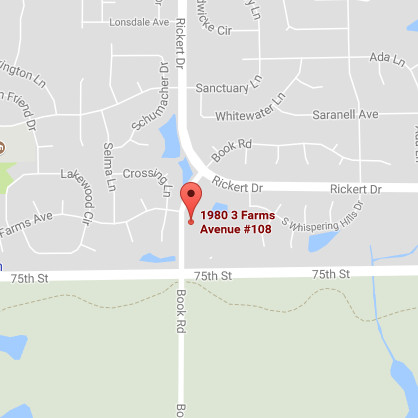
You don’t want to ho-ho-hope that we can fit you in at our Naperville, Illinois office to treat a cavity or a cracked tooth. Make your holiday dessert list and check it twice, and make sure you’re brushing and flossing more often if you’re indulging in seasonal treats—give yourself these two gifts, and you’ll be ringing in the New Year with a beautiful, healthy smile. Sweet!








 Website Powered by Sesame 24-7™